

The Ontario Secondary School Literacy Test (OSSLT) is one of the most important exams that Ontario students complete on their way to get the Ontario Secondary School Diploma (OSSD). It checks if a student has the needed reading and writing skills by the end of Grade-11 skills to get good results in every subject.
This guide explains how OSSLT scores are reported, what are the different levels of osslt exam are, about the 200 to 400 score, when results come out, and what families can do next. Whether your child just wrote the test or is preparing for it, after reading this blog, you will understand the process clearly.
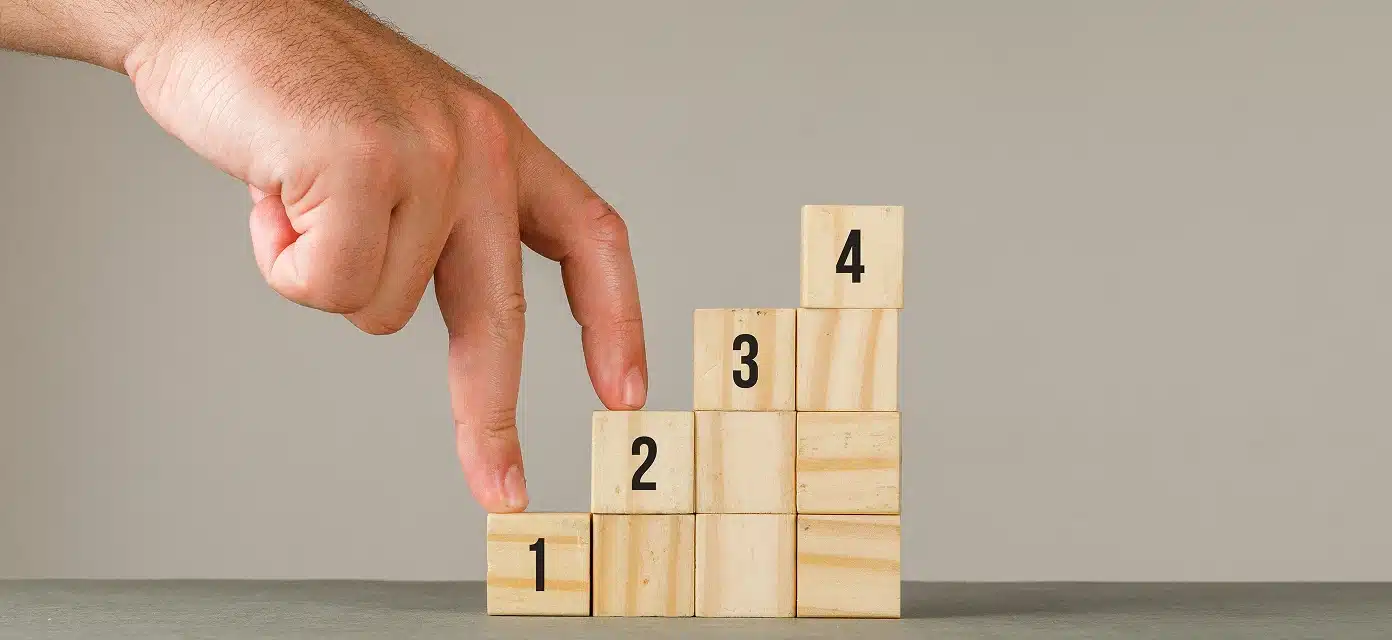
When you receive your child’s OSSLT results, you’ll see their performance reported as different levels from 1 to 4. These levels describe how closely a student’s literacy skills align with provincial expectations.
Schools and boards use the OSSLT exam levels in a student’s reports and communication letters because it gives a clear picture of where students are in their learning journey. Parents can think of these levels as a scale rather than a “pass or fail” label. It is an indicator of what kind of support may be helpful for the student to do better.
Behind every level is a numerical scale score ranging from 200 to 400. This type of scale is used to ensure fairness across different test versions. A score of 300 represents the local educational needs which means the student has achieved a “successful” result.
Here’s how each scale will tell the correct level:
Families may see different types of phrases, such as “successful or unsuccessful”, “met or not met the standard.” Both are used to tell if the student has a score of 300 or more.
The OSSLT score combines results from both reading and writing tasks, including multiple-choice questions, short answers, and written responses like the news report and opinion paragraph.
Each section is marked with specific rubrics that focus on comprehension, organization, grammar, and clarity.

Once the OSST test is marked, individual and provincial results are shared through two main channels:
It’s important to remember that these public dashboards show group data, not individual results. They help schools track improvement but are not meant to measure individual performance directly.
The timing of OSSLT results depends on when your child wrote the test. The EQAO offers the assessment during specific administration windows, typically once in the fall and once in the spring.
After the test window closes, it usually takes several weeks for marking, verification, and report preparation. Schools will then distribute the Individual Student Reports once everything is finalized.
If you have not received your child’s results by the expected date, contact your child’s teacher or guidance counsellor. For updates, families can also check the EQAO Information page, which lists current test windows and reporting timelines.
Being aware of these timelines helps families set realistic expectations. OSSLT results do not show quickly, but they are shared as soon as EQAO completes its review.
If your child’s OSSLT score falls below 300, don’t worry, as it does not stop them from graduating. It just means that there is a need to get better skills in education. Ontario schools give many OSSLT preparation options to help students meet the requirements to graduate:
It is good if you take short and 1 on 1 sessions that help in teaching the exact skills needed to fill the gap with just clear and defined practice.
Understanding the OSSLT score is only the first step, and acting on it is what truly makes a difference. Even small, consistent efforts can strengthen literacy and build test confidence.
Here’s a simple 2-step practice for families:
It is very important to have a proper timetable that you can follow to create the kind of confidence needed to do well in the OSSLT test and all the schoolwork.
Over time, these routines build the kind of literacy confidence that benefits not just the OSSLT exam but all schoolwork.
The OSSLT score is not just about passing or failing as it is made to show where each student stands on Ontario’s literacy scale and which skills need more attention.
By understanding the OSSLT exam’s levels, scores, and timelines, families can set realistic goals and take meaningful steps toward improvement. Interpreting results this way helps reduce stress and keeps students focused on steady growth rather than perfection.
To make the reading and writing skills better and become confident before the next exam, book a 1-hour OSSLT tutoring session and help your child move closer to a successful education.
Q1: How is the OSSLT scoring done?
The marking is based on both reading as well as writing tasks, which are added and given between 200 to 400, where 300 means meeting local education needs.
Q2: Do students get feedback on their OSSLT results?
Yes, each student gets an Individual Student Report (ISR), which shows the level they got. The report also has strengths and places where the skills can be improved.
Q3: Can students take the OSSLT exam again if they do not pass?
All the students can take this exam again when the next dates of the next test come out. Also, you can choose the Ontario Secondary School Literacy Course (OSSLC) as a different option to this.
Q4: How long are OSSLT scores valid?
Once a student meets the local education needs by passing this exam, it is saved forever, and the student does not need to take the test again.